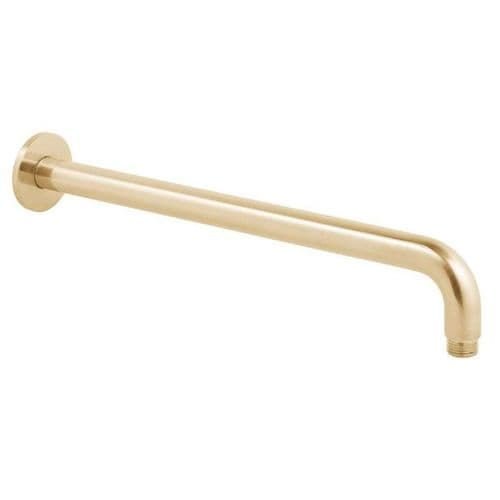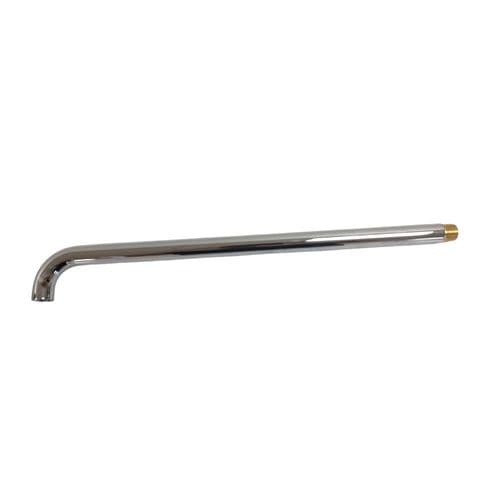
Shower Arms
The chrome pipe between the valve and the head is the part most people do not realise is replaceable until it fails. Shower arms tarnish at the wall thread, snap from a knock, or come loose when the back-nut seal goes. A new arm restores a tired-looking shower for a fraction of the cost of a fresh installation. We supply wall-mounted, ceiling-drop and rainfall arms in 1/2 inch BSP, in chrome, satin, brass and brushed nickel finishes for current and older showers.
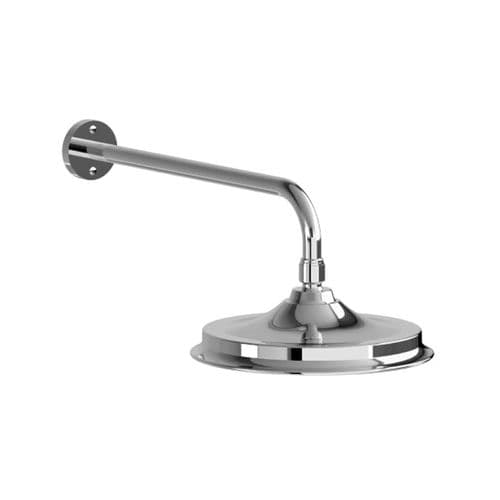
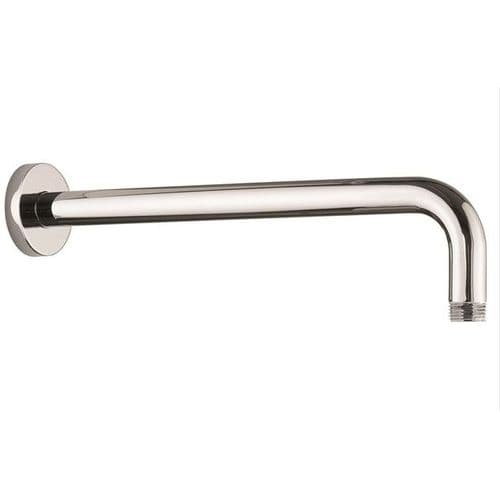
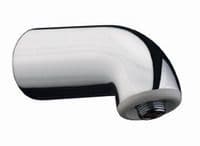
SAW320 female wall shower arm for Deva overhead shower fittings, a replacement shower arm that helps fix leaks at the wall connection.
SHOWER ARMS | BUYING GUIDE
Types of Shower Arm
Replacement options fall into a small number of distinct fitments. The right one depends on how the valve outlet is positioned and what kind of head sits on the end.
-
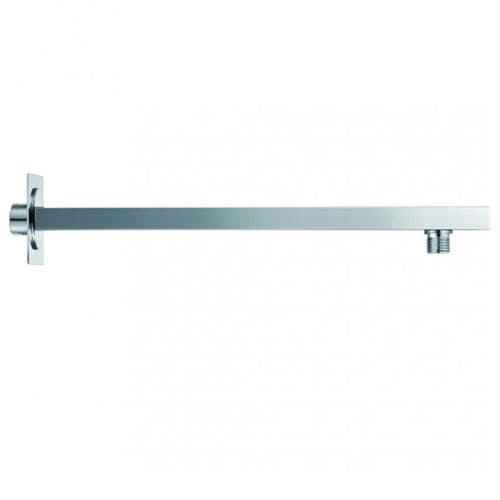
Wall-mounted, top-entry
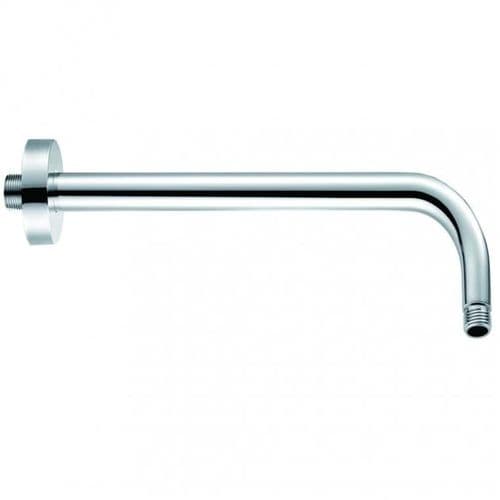
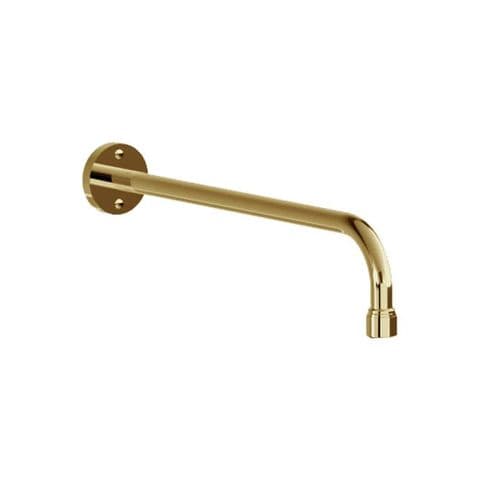
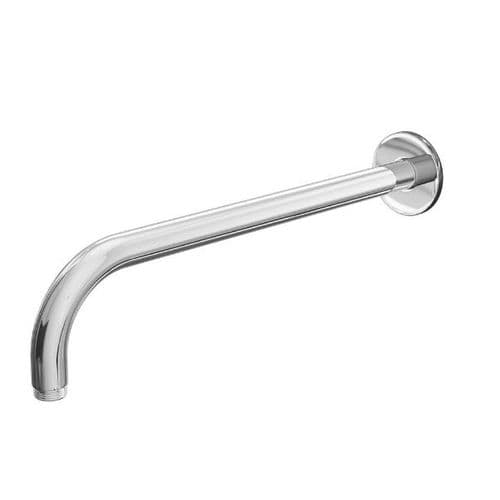
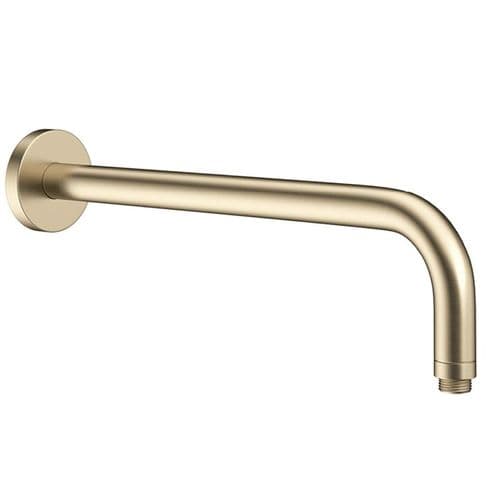
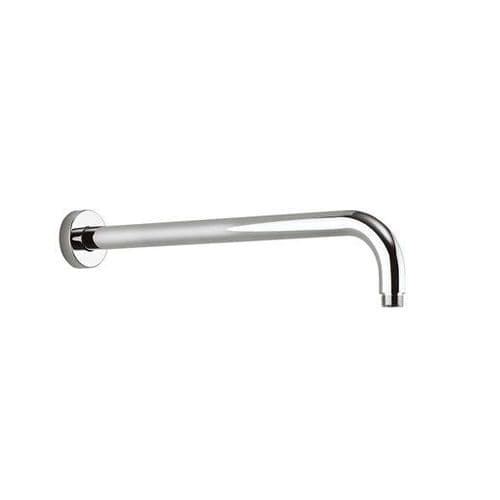
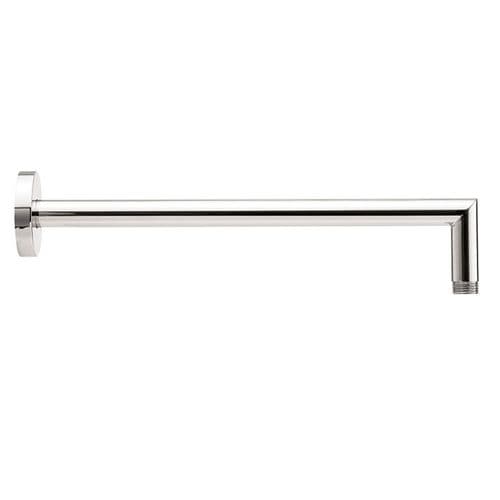
The most common UK pattern. The threaded end fits into the valve outlet at the top, with the head hanging down from the front of the arm. Length typically 200 to 350 mm. Chrome dominates the finish range, with brushed nickel a common alternative on modern sets.
-
Wall-mounted, bottom-entry
Used where the valve outlet sits above the head position. The thread enters from below, with the arm running down then forward to the head. Common on traditional and concealed mixer installations.
-
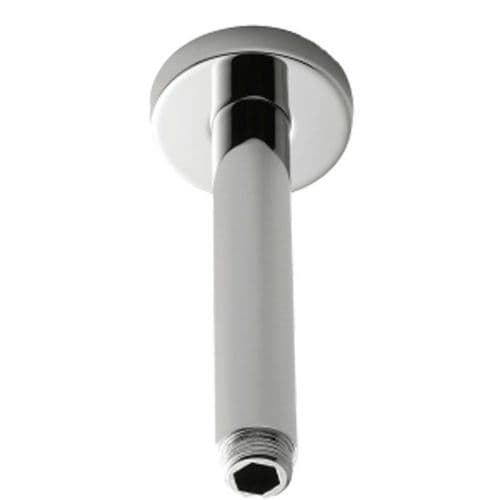
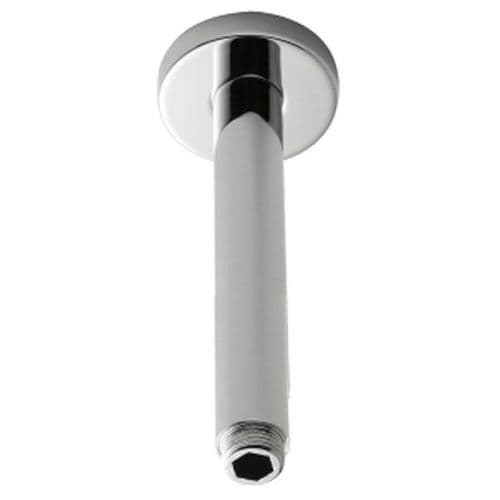
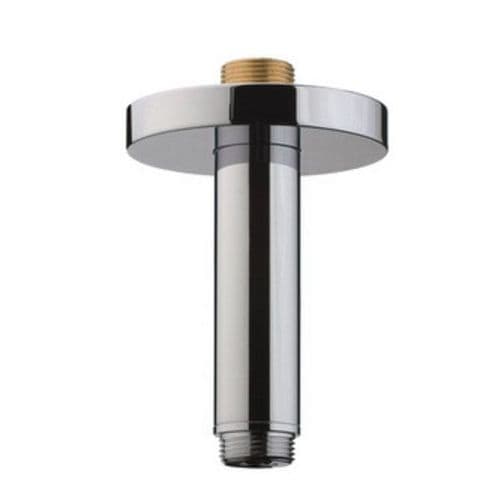
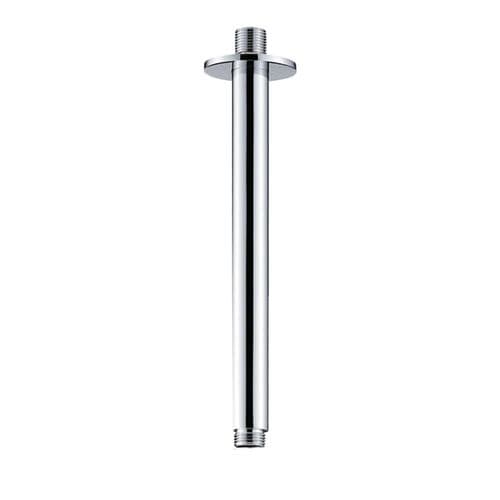
Ceiling drop arms
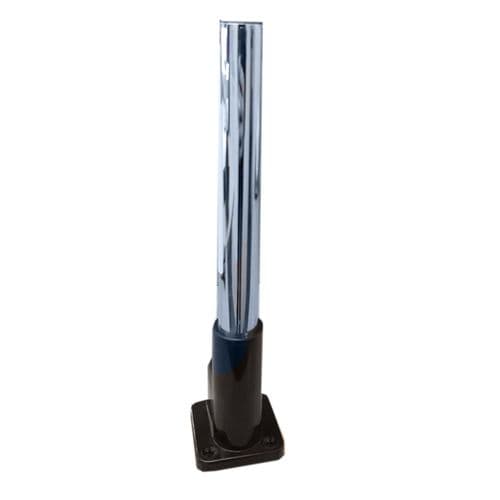
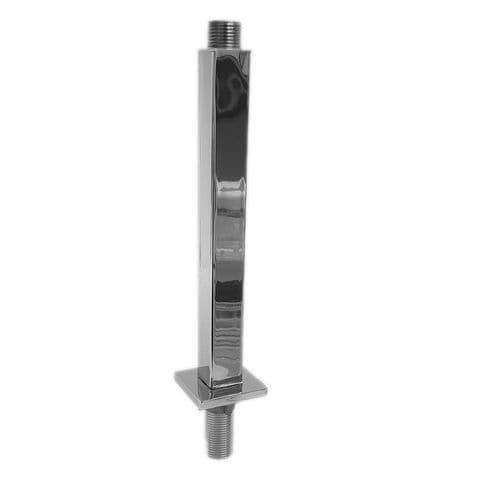
A vertical arm that drops from the ceiling above a rainfall head. Length 200 to 600 mm to suit ceiling height. Requires the supply pipework to be routed through the ceiling void, so usually fitted at the time of installation rather than added retrospectively.
-
Swan neck and traditional arms
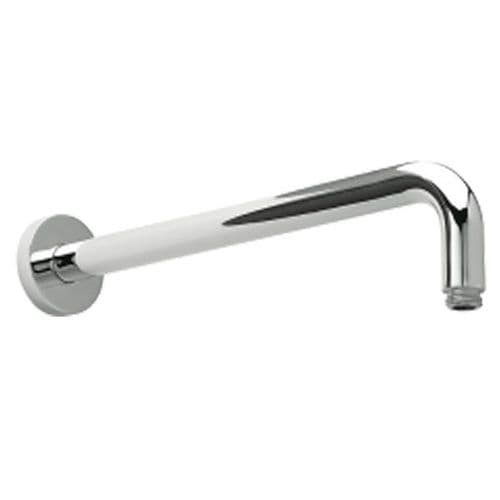
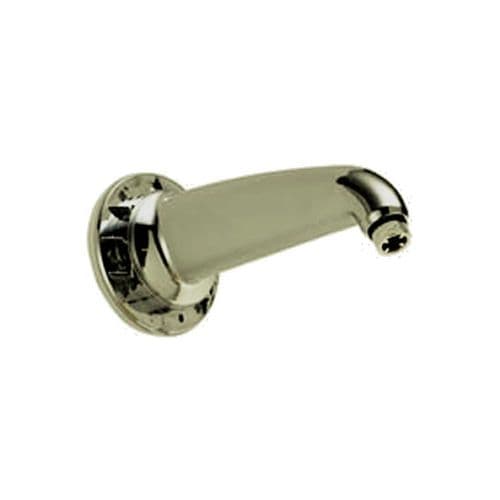
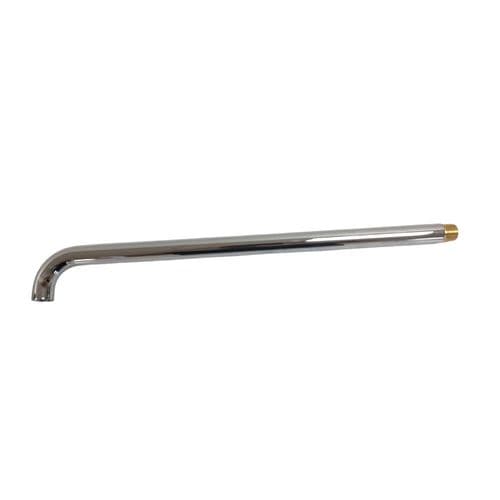
Curved or shaped arms used on traditional and period showers, common on Burlington, Lefroy Brooks and Heritage ranges. Replacement is usually a brand match for visual consistency, with the full traditional brassware spread covered in our manufacturer directory.
-
Extension and long-reach arms
Used to bring the head further away from the wall, common on walk-in showers and where a handset rail is fixed below the fixed head. Length 400 to 600 mm with the same 1/2 inch BSP thread as standard arms.
Common Lengths, Threads and Finishes
Length, thread size and finish are the three things to confirm before ordering. The thread is almost always 1/2 inch BSP across UK showers, so length and finish are where the variation lives.
| Arm type | Typical length | Thread | Common finishes |
|---|---|---|---|
| Wall-mounted, top-entry | 200 to 350 mm | 1/2 inch BSP | Chrome, brushed nickel |
| Wall-mounted, bottom-entry | 250 to 400 mm | 1/2 inch BSP | Chrome, brass |
| Ceiling drop | 200 to 600 mm | 1/2 inch BSP | Chrome, black, brushed nickel |
| Swan neck / traditional | 250 to 400 mm | 1/2 inch BSP | Brass, chrome, brushed nickel |
| Extension / long-reach | 400 to 600 mm | 1/2 inch BSP | Chrome, black |
Match the arm finish to the valve and head for visual consistency, with companion replacements organised by type in our shower heads range and the rest of a typical install grouped together in our shower spares catalogue.
How to Measure and Fit a New Arm
Measure the existing arm from the wall outlet to the head connection. This gives you the working length needed. Round up to the nearest standard size if your measurement falls between common lengths; a slightly longer arm sits well on most installations, a slightly shorter arm leaves the head closer to the wall than originally intended.
Confirm the thread before ordering. Most UK showers use 1/2 inch BSP at both ends, but very old or imported sets occasionally use 3/4 inch or metric. Unscrew the existing arm from the valve outlet by hand or with a soft-jaw spanner; the thread is visible on the disconnected end.
Wrap the new arm thread in PTFE tape (three or four turns clockwise) before fitting. Hand-tighten into the valve outlet, then a quarter turn with a spanner to seat the joint. Avoid over-tightening, which strips the thread or cracks ceramic-lined fittings on older valves. The companion shower hoses range covers the handset side of the install if the hose is also worn.
Shower Arm FAQs
What is a shower arm?
A shower arm is the chrome (or brass, or black) pipe that connects the shower valve outlet to the shower head. It sets the head's distance from the wall or ceiling and carries the water from the valve to the head. Most are between 200 mm and 600 mm long, with a 1/2 inch BSP thread at both ends.
Are shower arms a standard size?
The thread is standard at 1/2 inch BSP across almost every UK shower. Length and finish vary considerably. A 200 mm chrome arm and a 500 mm brushed-nickel arm both fit the same valve outlet; only the visible reach and finish change. Imported and very old sets occasionally use 3/4 inch or metric threads, which is the only thing to confirm before ordering.
Can I replace a shower arm without a plumber?
Yes, on a typical wall-mounted installation. Turn the water off at the isolators, unscrew the old arm from the valve outlet, wrap PTFE tape around the new arm thread, hand-tighten and finish with a quarter turn from a soft-jaw spanner. Ceiling drop arms are more involved because they often require access to the ceiling void, and a plumber is the right call for that work.
What length shower arm do I need?
Measure the existing arm from the wall outlet face to the head connection face. Round up to the nearest standard length (200, 250, 300, 350, 400, 450 or 500 mm in most UK ranges). Larger heads benefit from longer arms so the user is not standing too close to the wall; standard 8-inch heads work well at 250 to 350 mm.
What is the difference between wall-mounted and ceiling drop arms?
A wall-mounted arm comes out of the wall horizontally and the head hangs from the end. A ceiling drop arm comes down from the ceiling and the head sits at the bottom of the drop. Wall-mounted arms suit most domestic installations; ceiling drops suit rainfall systems where the head is centred over the bather rather than against the wall.
What our customers say


-192909-p.jpg?w=500&h=500&v=ADF44C83-F9D8-4CBB-BE79-3CE49844090F)

-192906-p.jpg?w=500&h=500&v=71D0AE9E-514C-4F7F-8107-34D48637BFFD)


-251277-p.jpg?w=500&h=500&v=81510F08-D04D-4E5D-9265-D49B9EFD8216)

-175943-p.jpg?w=500&h=500&v=250C714A-F644-4FE5-8277-DE231B29E930)

-175941-p.jpg?w=500&h=500&v=3B457F2F-8167-4E12-8129-4E35B39EF9F3)


-7605-p.jpg?w=500&h=500&v=30720ED8-BBAC-4738-9C64-83F077DE1C03)


-175946-p.jpg?w=500&h=500&v=CB418B51-EEB9-4601-888B-C5B25FFFCAA6)

-240945-p.jpg?w=500&h=500&v=012381E9-8423-48ED-ACFC-74C638BFD751)

-175709-p.jpg?w=500&h=500&v=11B7C67C-2A28-4E96-939B-81DF3C007630)


-162595-p.jpg?w=500&h=500&v=8B843B4E-5DEE-4D77-95C4-02032B30EB23)


-266668-p.jpg?w=500&h=500&v=D34C3827-6274-471F-889B-3FDFF32AC7E6)


-282606-p.jpg?w=500&h=500&v=EEFCCF02-1893-40C0-B2A9-4504A287FC98)

-282603-p.jpg?w=500&h=500&v=6213422C-B663-4963-9CDC-D42EF383D18D)

-282619-p.jpg?w=500&h=500&v=489ECF6C-9AAF-4E1B-8AA6-7DF344A22787)

-235877-p.jpg?w=500&h=500&v=08F6AC9A-507F-4FFB-A08B-D0B0B3DF93B4)

-178475-p.jpg?w=500&h=500&v=D0ED05C2-3A63-42C6-B7D1-3B380C6195DD)

-12091-p.jpg?w=500&h=500&v=B821A61F-6FC4-4281-A22A-1C65A66B495A)

-30529-p.jpg?w=500&h=500&v=16122020-144530)


-239303-p.jpg?w=500&h=500&v=F8079DE5-B9ED-4125-B925-B1853D4D4A90)

-143383-p.jpg?w=500&h=500&v=edb56473-3232-40cb-a8c4-398b9f93d78a)